Material review
Define which dry recyclables can be accepted in the shared container.
 Talk to our team+91 94686 26868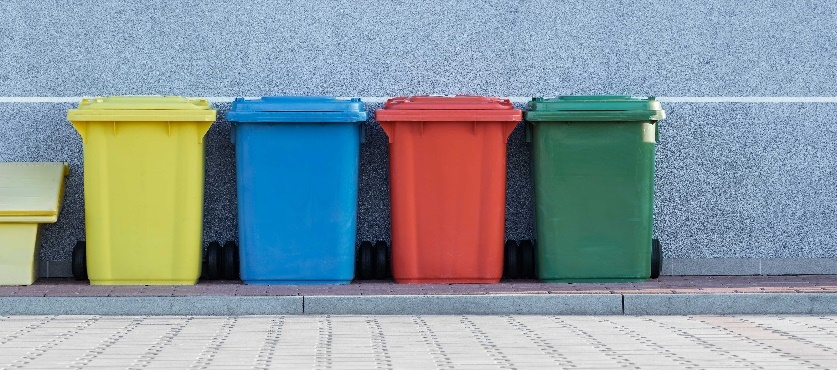
Single-stream recycling in Rajasthan
A coordinated collection system for accepted paper, aluminium, glass and other dry recyclables placed in one designated recycling container.
Discuss your requirement ↗Service overview
In a single-stream recycling system, approved recyclables are placed together in one designated container and collected for onward sorting. It can reduce the number of decisions a user makes at the disposal point and may help more recyclable material enter the recovery system.
Kaustav’s documented service covers materials such as paper, aluminium and glass. The accepted list is confirmed for each program so food waste, hazardous items and other non-recyclable material do not compromise the recycling stream.
The system is most effective when container placement, signage, pickup frequency and user awareness work together. Kaustav helps plan those elements around the site rather than treating a single bin as the complete solution.
What we can support
Define which dry recyclables can be accepted in the shared container.
Select practical recycling points based on how people move through the site.
Show users what belongs in the stream and what must stay out.
Match collection frequency to storage capacity and generation volume.
Coordinate the recovery route for collected recyclable material.
Identify contamination patterns and opportunities to improve participation.
Our approach
Agree the accepted list for paper, metal, glass and other recyclables.
Install clearly marked recycling points in convenient locations.
Pick up the combined approved recycling stream on the planned schedule.
Move the material onward for separation into usable recycling categories.
Who this is for
Potential program outcomes
Frequently asked questions
It is a system in which approved dry recyclables—such as selected paper, aluminium and glass—are placed in one designated recycling container for collection and onward sorting.
No. Only the recyclables approved for that program should be placed in the container. Food waste, hazardous materials and general waste require separate handling.
It simplifies sorting for the person using the bin. The collected material still needs an onward sorting process so individual recycling categories can be recovered.
A clear accepted-material list, visible signage, appropriate container placement and periodic program review help users understand what belongs in the recycling stream.
Start with the source